
by admin
Share
by admin
Share
A custom anesthesia model can help surgical facilities improve anesthesia staffing, coverage, scheduling, and OR efficiency by aligning services with their specific operational needs. No two surgical facilities have the same anesthesia needs. Everything from case volumes and scheduling demands to provider preferences and staffing requirements can influence how those needs are addressed. When an anesthesia model doesn’t align with the facility, it can create scheduling and staffing challenges and affect OR efficiency.
At Grasshopper Anesthesia Services, we believe the solution is to build an anesthesia model around the facility, not force a facility to adapt to a one-size-fits-all approach. This helps create a more reliable, sustainable model that supports both day-to-day operations and long-term success.
Create an Anesthesia Model That Supports Your OR
Anesthesia staffing directly impacts the overall efficiency of a surgical facility. When providers frequently leave or coverage is inconsistent, the effects can be felt far beyond the anesthesia department; they impact the entire OR.
The consequences of provider turnover can include:
- Scheduling disruptions or reduced OR case volume
- Higher recruitment and onboarding expenses
- Greater pressure on existing providers and staff
- Frustration among surgeons and OR teams
- Inconsistent communication and workflows
While filling open positions does address immediate staffing gaps, it doesn’t necessarily solve the underlying problem. Frequent turnover can create an ongoing cycle of recruiting, onboarding, and getting acquainted with new providers. A better approach is building a model around the facility’s needs to create more consistency and continuity.
Don’t Just Fill a Vacancy — Solve the Problem
When a provider leaves, it’s natural to respond by finding someone to fill the vacancy. But filling the position is only part of the solution. Constant turnover can disrupt schedules, reduce OR utilization, delay cases, and put an additional burden on the remaining staff. Additionally, recruiting and onboarding require a lot of time and resources, and delayed or canceled cases and lost OR time can create additional financial problems.
A sustainable anesthesia model should focus on retention and continuity, not just replacement. By building a stable team, facilities can provide more consistent coverage, which can improve workflows and communication throughout the OR. That stability can create a more efficient and predictable environment for everyone.
Build Around Your Facility’s Unique Needs
There isn’t one anesthesia model that works for every hospital and surgical facility. The right approach should take several factors into account, such as the facility’s size, case mix, surgical volume, scheduling demands, and long-term goals.
A customized anesthesia model can account for:
- OR utilization and scheduling
- Current and projected case volume
- Coverage needs
- Provider availability and preferences
- Surgeon expectations
- Established workflows
- Future growth and changing demands
- Consistent coverage across the anesthesia team
When these factors are considered, anesthesia services can be designed in a way that better supports the operation of the facility.
A Strong Anesthesia Model Benefits Everyone
A well-designed and properly implemented anesthesia model does more than support anesthesia coverage. It can also strengthen the entire surgical team and create a more consistent experience for everyone.
- Surgeons benefit from reliable coverage, more predictability, and a smoother surgical experience.
- OR teams can benefit from increased communication, better teamwork, and more established workflows.
- Facility leaders can reduce financial pressures associated with a high rate of provider turnover.
- Anesthesia professionals can find positions that align with their skills, schedules, and professional goals.
When these elements work together, facilities are better prepared to provide efficient, consistent care.
Ask the Right Questions Before Changing Your Model
Before changing your current anesthesia staffing model, it’s important to take a closer look and see what is working — and what isn’t. Questions to ask include:
- Are staffing challenges negatively impacting OR utilization?
- Is provider turnover increasing recruitment costs?
- Are surgeons dealing with inconsistent coverage?
- Is the current model putting unnecessary strain on the staff?
- Can it adapt as the facility grows?
The answers to these questions can reveal whether the existing approach is actually meeting the facility’s needs or if it’s just addressing immediate staffing gaps. Taking the time to evaluate these factors can help facilities make informed decisions about the future of anesthesia coverage.
Build an Anesthesia Model That Works for Your Facility
To create the right anesthesia model, you first need to understand your facility’s existing needs and future goals. Whether you’re dealing with high turnover, planning for growth, or looking for more consistent coverage, you don’t have to wait for staffing challenges to affect your operations to create a model that supports your team and facility. By taking a proactive approach, you can build a model that supports your team and facility for the long term.
The team at Grasshopper Anesthesia Services is ready to help develop a one-of-a-kind approach that aligns with your current needs and future goals. Contact us today to explore a more sustainable anesthesia model.

Access to quality healthcare continues to be a significant challenge for rural communities throughout Texas. Whether due to staffing shortages or limited specialty care, many of the state’s rural hospitals and surgical facilities are struggling to meet ever-increasing demand with fewer resources. To address this crisis, Governor Greg Abbott, along with the Texas Health and
Anesthesia services are a vital component of surgical care, but their impact extends far beyond the operating room. For hospitals, surgical centers, and physician partners, the right anesthesia team can do more than cover cases; they can significantly enhance efficiency, improve patient experiences, and support a facility’s overall performance. A CRNA-focused anesthesia group is a
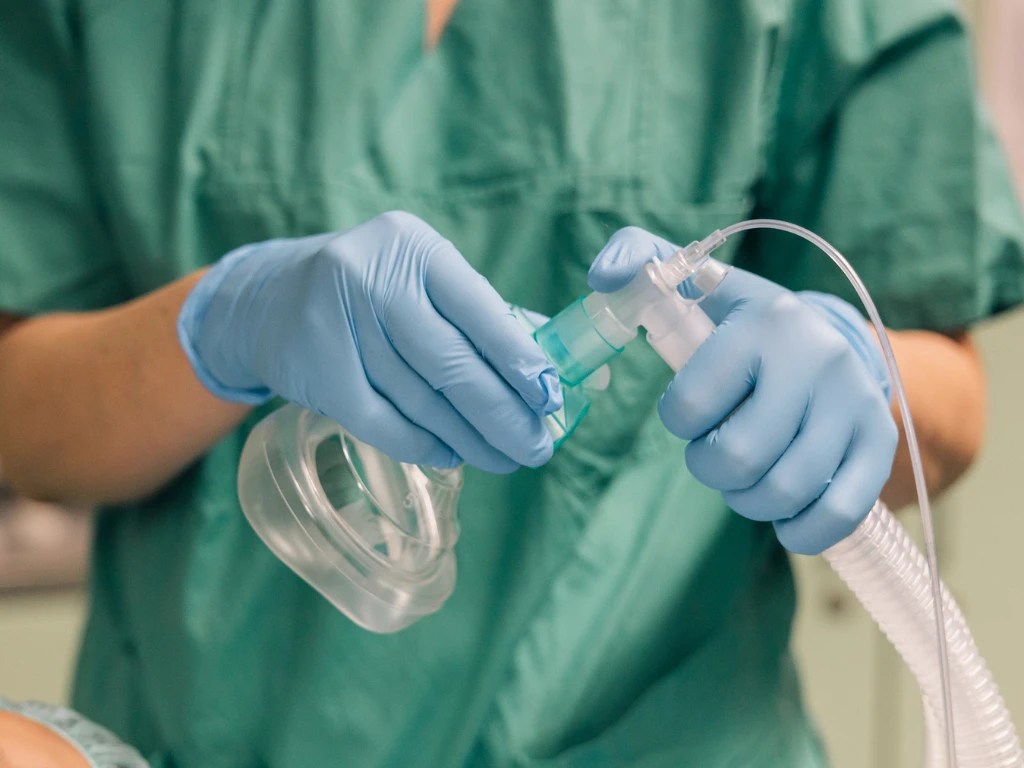
As healthcare systems face mounting pressure to provide exceptional patient care while keeping rising costs under control, anesthesia coverage is under more scrutiny than ever before. In response, many hospitals and surgical centers are turning to a solution that has been proven to deliver real value: CRNA-led anesthesia models. At Grasshopper Anesthesia Services, we’ve seen
While rural hospitals are the backbone of healthcare access for countless Americans, these facilities continue to face a persistent and complex challenge: maintaining reliable anesthesia coverage. From staffing shortages to fluctuating surgical volumes and even limited recruitment avenues, rural facilities struggle to deliver consistent, high-quality care. Gaps in anesthesia coverage lead to a host of