
by admin
Share
by admin
Share
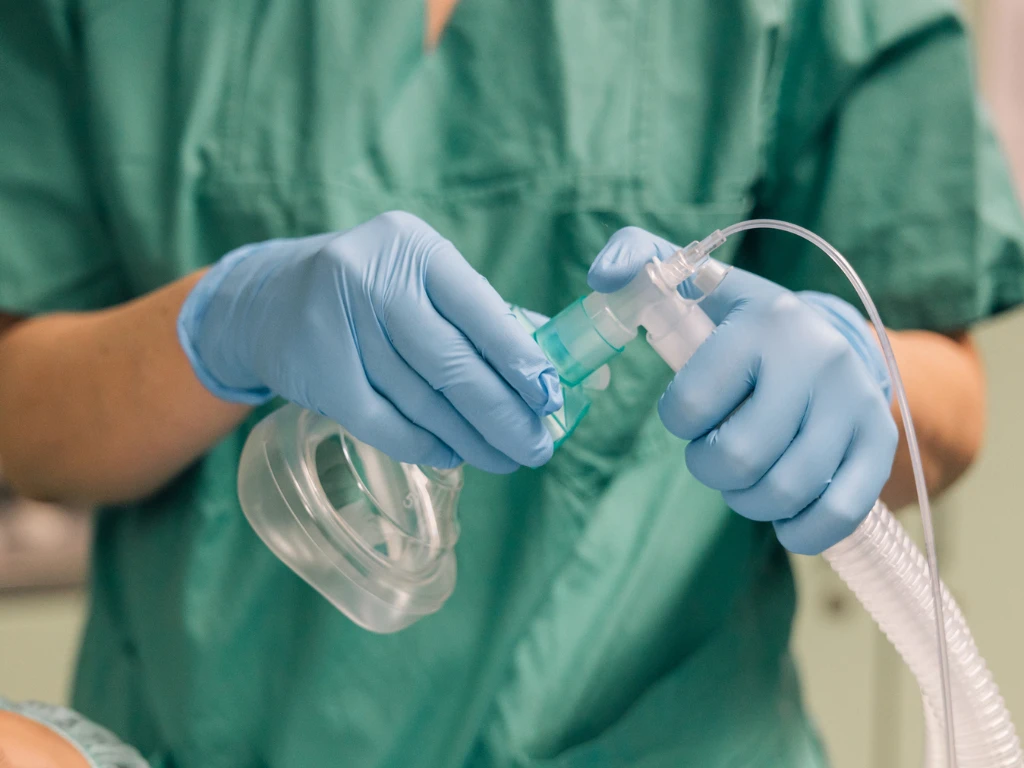
As healthcare systems face mounting pressure to provide exceptional patient care while keeping rising costs under control, anesthesia coverage is under more scrutiny than ever before. In response, many hospitals and surgical centers are turning to a solution that has been proven to deliver real value: CRNA-led anesthesia models. At Grasshopper Anesthesia Services, we’ve seen first-hand the benefits that thoughtfully designed CRNA-led teams provide. From improving operational efficiency to creating long-term stability for both facilities and providers, these models are a reliable way to provide anesthesia care that benefits patients, providers, and healthcare organizations alike.
How CRNA-Led Anesthesia Care Works
In a CRNA-led anesthesia model, Certified Registered Nurse Anesthetists are placed at the forefront of anesthesia care. They have the flexibility to practice independently or within collaborative care teams, depending on regulatory requirements and a facility’s structure. It’s important to note that this model isn’t a compromise, but rather a strategic, evidence-based approach that aligns highly trained anesthesia professionals with the demands of modern healthcare systems.
The Advantages of a CRNA-Based Anesthesia Model
CRNA-based anesthesia care offers a practical, evidence-based solution for facilities that are focused on delivering reliable coverage and high-quality patient care. By positioning experienced CRNAs in leadership roles, this approach improves efficiency, safety, and long-term operational stability.
Let’s explore some of the key benefits of this approach.
Improved Patient Outcomes Through Consistent Anesthesia Care
With advanced clinical training and hands-on experience, CRNAs deliver high-quality anesthesia care. When leading anesthesia delivery, these professionals provide consistency, accountability, and measurable improvements in patient outcomes. The benefits this model brings to patient care include:
- Strong safety records supported by extensive clinical evidence
- Continuity of care from providers fully integrated into facility processes
- Optimized case management that reduces delays and maximizes OR efficiency
- Engaged, focused providers who improve patient experience
When anesthesia teams are stable and supported, facilities experience better patient outcomes and improved operational performance.
Enhanced Cost Efficiency
Rising labor costs and provider shortages have made anesthesia coverage increasingly challenging — especially for rural hospitals and outpatient surgical centers. CRNA-led models provide a financially sustainable alternative to traditional coverage without sacrificing quality of care and patient outcomes. Facilities that employ this model often experience:
- Reduced anesthesia staffing costs
- Fewer last-minute coverage gaps or costly emergency staffing
- Predictable budgeting through structured, customized coverage models
- Greater retention, reducing recruitment and onboarding expenses
By aligning anesthesia coverage so that it reflects the actual needs of each procedure, facilities experience greater budgeting control without compromising the quality or reliability of anesthesia care.
Flexibility That Adapts to Facility Needs
No two hospitals or surgical centers operate the same way. Staffing requirements, regulatory environments, and clinical demands vary widely. CRNA-based anesthesia models make it possible for facilities to adjust coverage as needed, ensuring quality patient care without the burden of unnecessary costs. Notable advantages include:
- Scalable staffing that coordinates with case volume and facility size
- Compliance with local and state regulations
- Cost-efficient coverage without overstaffing
- Reliable, consistent anesthesia services
By leveraging CRNA-led anesthesia models, hospitals and surgical centers gain access to flexible, dependable coverage that enhances both operational performance and patient needs.
A Model That Supports Providers
CRNA-based anesthesia models aren’t just beneficial for facilities; they also create meaningful opportunities for providers. By empowering CRNAs with autonomy, balanced workloads, and professional support, these models help providers thrive while improving patient care. Key ways this model supports providers include:
- Autonomy to make clinical decisions
- Workloads designed to minimize burnout
- Opportunities for professional growth and career advancement
- Increased engagement and satisfaction
These models foster engaged, confident anesthesia care teams, which benefit both providers and the patients they serve.
Transform Your Anesthesia Coverage with Grasshopper Anesthesia Services
CRNA-led anesthesia models are more than a staffing strategy; they provide lasting value for patients, providers, and facilities. By improving outcomes, controlling costs, and supporting clinical teams, this approach strengthens the entire care continuum. Ready to find out how a CRNA-led approach can advance your facility’s goals? Contact Grasshopper Anesthesia Services today to learn more about our customized, results-driven solutions.

For rural hospitals, maintaining reliable anesthesia coverage can be an ongoing challenge. Recruiting and retaining qualified anesthesiologists can be difficult, and provider turnover can lead to coverage gaps, scheduling challenges, and OR delays that put additional pressure on resources that are already strained. In response to these challenges, hospitals may need to consider whether their
A custom anesthesia model can help surgical facilities improve anesthesia staffing, coverage, scheduling, and OR efficiency by aligning services with their specific operational needs. No two surgical facilities have the same anesthesia needs. Everything from case volumes and scheduling demands to provider preferences and staffing requirements can influence how those needs are addressed. When an

Access to quality healthcare continues to be a significant challenge for rural communities throughout Texas. Whether due to staffing shortages or limited specialty care, many of the state’s rural hospitals and surgical facilities are struggling to meet ever-increasing demand with fewer resources. To address this crisis, Governor Greg Abbott, along with the Texas Health and

Anesthesia services are a vital component of surgical care, but their impact extends far beyond the operating room. For hospitals, surgical centers, and physician partners, the right anesthesia team can do more than cover cases; they can significantly enhance efficiency, improve patient experiences, and support a facility’s overall performance. A CRNA-focused anesthesia group is a